
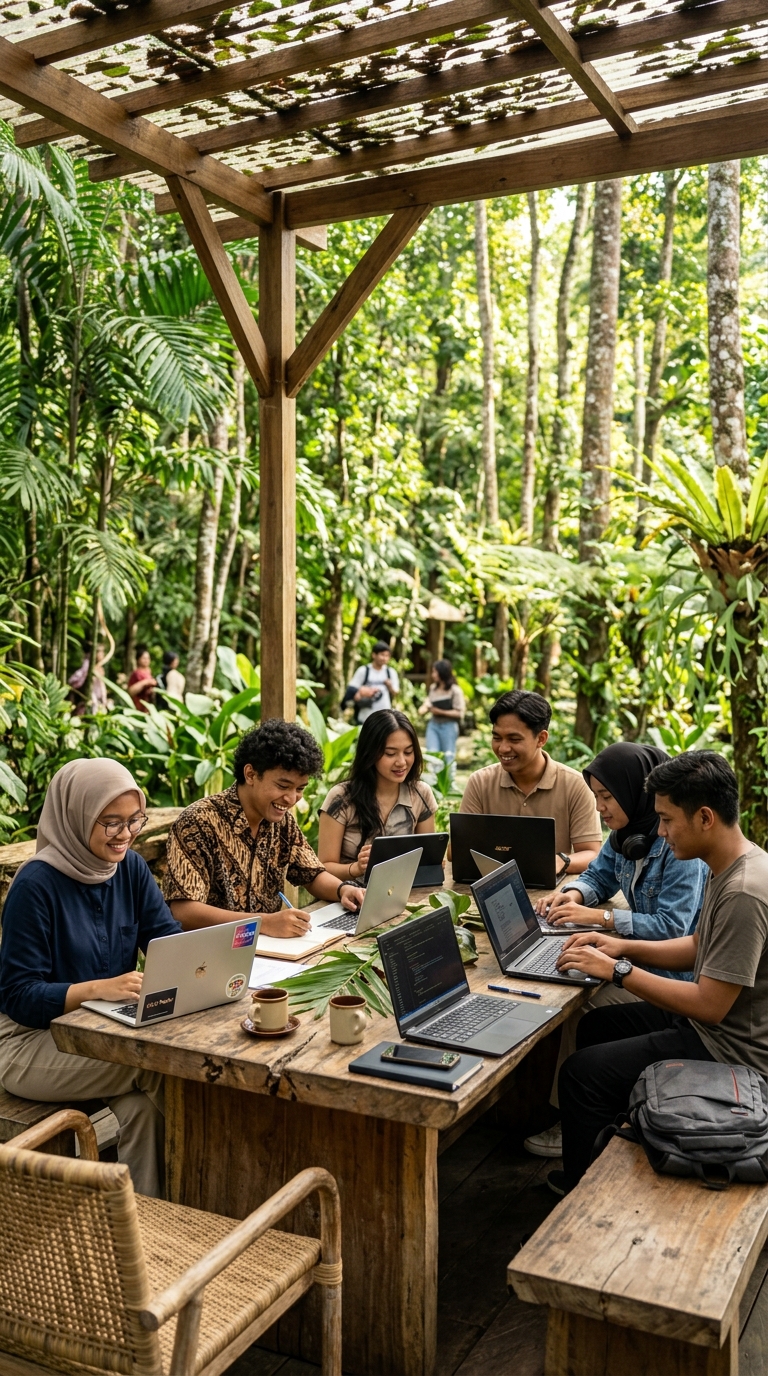
Being a student today feels heavier than it did a decade ago. It is not just about the grades or the looming exams; it is a constant, buzzing pressure. Research shows that modern teenagers face higher levels of chronic anxiety. This “invisible weight” often has a biological name: an overload of cortisol.
The Invisible Weight: Understanding Modern Student Anxiety
Gen Z is often called the most anxious generation. Constant digital connectivity and academic competition keep the brain in a “fight or flight” mode. When you are stressed, your adrenal glands pump cortisol into your bloodstream. While useful for escaping predators, high cortisol levels over long periods can impair your memory and focus.
The problem is that our current lifestyle provides few outlets to flush these hormones out. We move from one screen to another, staying indoors for most of the day. This lack of physical and environmental transition keeps the body’s stress response active. Understanding this biological trap is the first step toward finding a more effective learning environment.
Why Boxy Classrooms Might Be Making You More Stressed
Traditional classrooms are often designed like boxes. Fluorescent lighting, four white walls, and recirculated air create a sterile environment. For many students, these spaces feel restrictive rather than focused. Studies suggest that “sick building syndrome” can lead to headaches and mental fatigue, making it harder to process new information.
Furthermore, being confined to a small space for hours increases irritability. When your peripheral vision only hits concrete or drywall, your brain feels trapped. This physical confinement mirrors the mental “stuckness” many students feel during long school days. The lack of visual variety can actually heighten feelings of claustrophobia and academic burnout.
Nature’s Science: How Sunlight and Fresh Air Lower Cortisol
A wall-less classroom changes the biological game. Natural sunlight is a major factor in regulating your circadian rhythm. When your eyes are exposed to morning sun, your body produces serotonin, which improves mood and calm. This natural process helps counteract the jagged edges of cortisol that build up during difficult tasks.
Fresh air also plays a critical role in brain chemistry. Indoor spaces often have higher concentrations of CO2, which can make you feel drowsy and clouded. Outdoor environments provide a constant supply of oxygen, enhancing cognitive function. Science shows that simply being in view of greenery can lower your heart rate and blood pressure within minutes.
Physical Freedom: Why Moving More Leads to Worrying Less
In a wall-less classroom, learning is not a sedentary activity. Movement is naturally integrated into the experience. Whether it is walking to a different station or standing while observing nature, physical freedom is essential. Movement triggers the release of endorphins, which act as natural stress-fighters in the brain.
Sitting still for eight hours is biologically unnatural for a developing body. When you move, you process stress more efficiently. This physical activity helps “burn off” excess cortisol, leaving you feeling more grounded. A classroom without walls encourages a healthy flow of energy, making learning feel less like a chore and more like an experience.
Mastering Your Mood: Emotional Regulation in the Wild
Nature provides a unique setting for emotional regulation. The “Soft Fascination” theory suggests that natural environments allow the brain to rest its focused attention. Unlike a ringing phone or a loud hallway, the sounds of wind or rustling leaves are calming. This allows students to recover from mental fatigue more quickly.
Learning in an open environment also builds resilience. You deal with changing weather, shifting light, and different textures. This adaptability translates into better emotional control in other areas of life. By navigating a dynamic outdoor space, students learn to manage their internal reactions to external changes, fostering a sense of quiet confidenceCortisol vs. Clouds: Why You Need a Wall-less Class
Being a student today feels heavier than it did a decade ago. It is not just about the grades or the looming exams; it is a constant, buzzing pressure. Research shows that modern teenagers face higher levels of chronic anxiety. This “invisible weight” often has a biological name: an overload of cortisol.
The Invisible Weight: Understanding Modern Student Anxiety
Gen Z is often called the most anxious generation. Constant digital connectivity and academic competition keep the brain in a “fight or flight” mode. When you are stressed, your adrenal glands pump cortisol into your bloodstream. While useful for escaping predators, high cortisol levels over long periods can impair your memory and focus.
The problem is that our current lifestyle provides few outlets to flush these hormones out. We move from one screen to another, staying indoors for most of the day. This lack of physical and environmental transition keeps the body’s stress response active. Understanding this biological trap is the first step toward finding a more effective learning environment.
Why Boxy Classrooms Might Be Making You More Stressed
Traditional classrooms are often designed like boxes. Fluorescent lighting, four white walls, and recirculated air create a sterile environment. For many students, these spaces feel restrictive rather than focused. Studies suggest that “sick building syndrome” can lead to headaches and mental fatigue, making it harder to process new information.
Furthermore, being confined to a small space for hours increases irritability. When your peripheral vision only hits concrete or drywall, your brain feels trapped. This physical confinement mirrors the mental “stuckness” many students feel during long school days. The lack of visual variety can actually heighten feelings of claustrophobia and academic burnout.
Nature’s Science: How Sunlight and Fresh Air Lower Cortisol
A wall-less classroom changes the biological game. Natural sunlight is a major factor in regulating your circadian rhythm. When your eyes are exposed to morning sun, your body produces serotonin, which improves mood and calm. This natural process helps counteract the jagged edges of cortisol that build up during difficult tasks.
Fresh air also plays a critical role in brain chemistry. Indoor spaces often have higher concentrations of CO2, which can make you feel drowsy and clouded. Outdoor environments provide a constant supply of oxygen, enhancing cognitive function. Science shows that simply being in view of greenery can lower your heart rate and blood pressure within minutes.
Physical Freedom: Why Moving More Leads to Worrying Less
In a wall-less classroom, learning is not a sedentary activity. Movement is naturally integrated into the experience. Whether it is walking to a different station or standing while observing nature, physical freedom is essential. Movement triggers the release of endorphins, which act as natural stress-fighters in the brain.
Sitting still for eight hours is biologically unnatural for a developing body. When you move, you process stress more efficiently. This physical activity helps “burn off” excess cortisol, leaving you feeling more grounded. A classroom without walls encourages a healthy flow of energy, making learning feel less like a chore and more like an experience.
Mastering Your Mood: Emotional Regulation in the Wild
Nature provides a unique setting for emotional regulation. The “Soft Fascination” theory suggests that natural environments allow the brain to rest its focused attention. Unlike a ringing phone or a loud hallway, the sounds of wind or rustling leaves are calming. This allows students to recover from mental fatigue more quickly.
Learning in an open environment also builds resilience. You deal with changing weather, shifting light, and different textures. This adaptability translates into better emotional control in other areas of life. By navigating a dynamic outdoor space, students learn to manage their internal reactions to external changes, fostering a sense of quiet confidence.
The Future of Learning: Finding Peace Beyond the Walls
The shift toward wall-less classrooms is more than a trend; it is a necessity for mental health. As we understand more about the link between environment and biology, the “boxy” model seems outdated. Integrating nature into education provides a practical solution to the rising tide of student anxiety and chronic stress. Finding peace in your studies should not be an impossible task. By stepping outside the traditional four walls, you give your brain the space it needs to breathe and grow. The future of learning is open, airy, and grounded in the real world. It is time to trade the fluorescent lights for the clouds.