
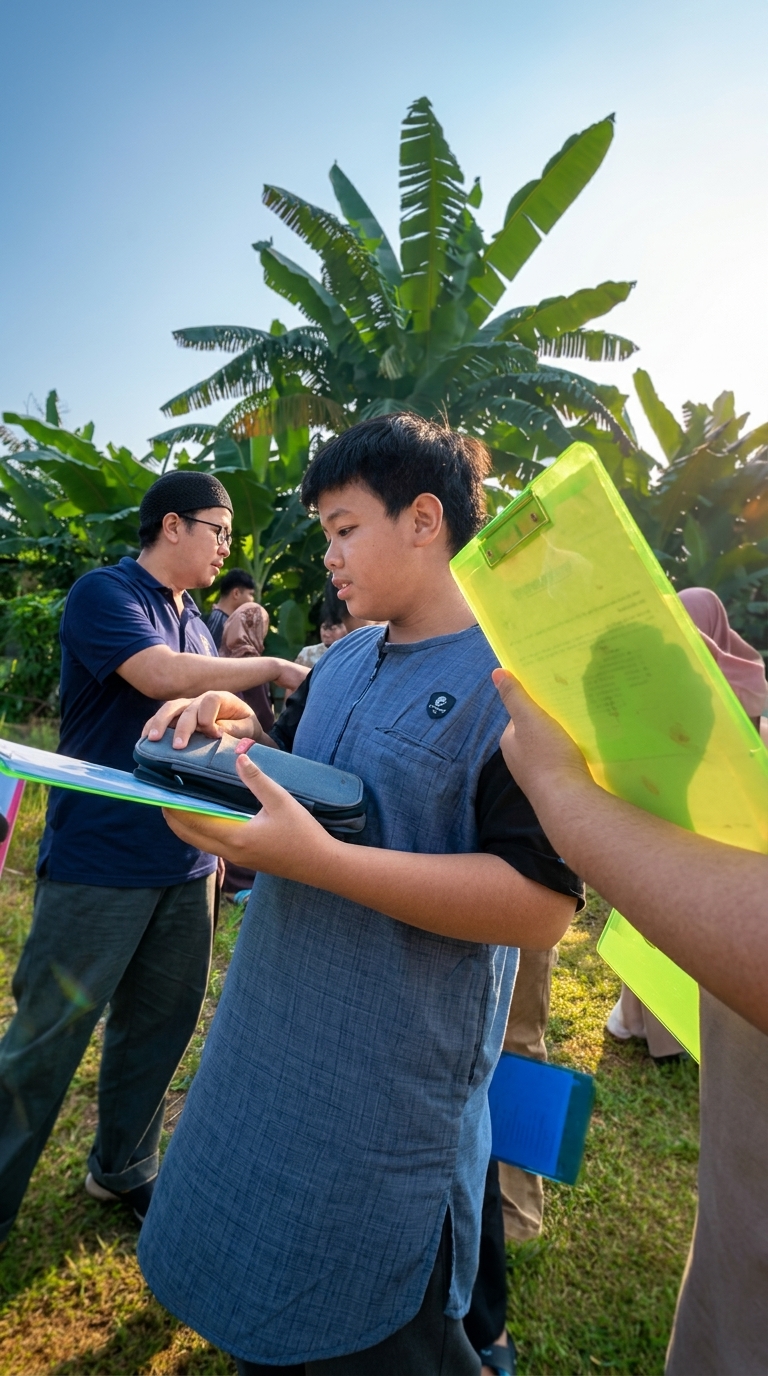
The traditional classroom is changing. For decades, education relied on a top-down approach where an instructor delivered information to passive listeners. However, at Sekolah Alam Cikeas (SAC), we believe that true growth requires more than just listening. We have replaced the traditional “teacher” role with “facilitators” to transform the way people learn and lead.
The End of the Authoritative Lecture
The era of the “sage on the stage” is coming to an end. Traditional authoritative lectures often result in low information retention because they rely on one-way communication. When a teacher simply talks at an audience, the brain often struggles to stay engaged for long periods.
Modern professionals need more than just a list of facts. They need to understand how to apply knowledge in real-world scenarios. By moving away from rigid lecturing, we create space for dialogue and active participation. This shift ensures that the learning process is dynamic and responsive to the needs of every individual.
Facilitators: Your New Learning Partner
At SAC, our facilitators act as partners rather than bosses. A facilitator does not just deliver a syllabus; they guide the process of learning. They provide the necessary resources and framework, but they allow the participants to drive the discussion. This collaborative approach builds a sense of shared responsibility.
When you work with a facilitator, the power dynamic changes. Instead of fearing mistakes, you see them as data points for improvement. This partnership fosters a supportive environment where everyone feels comfortable sharing ideas. It turns a standard classroom into a high-functioning community of peers working toward a common goal.
Unlocking Potential via Guided Discovery
Guided discovery is a core strategy used by our facilitators. Instead of providing immediate answers, they ask thought-provoking questions. This encourages learners to think critically and explore different perspectives. Research in cognitive science shows that knowledge discovered through effort is retained much longer than information simply handed out.
By navigating challenges themselves, learners develop a sense of ownership over their skills. They become better problem-solvers because they have practiced the logic required to reach a conclusion. This method transforms potential into actual capability, ensuring that every participant leaves with practical, deeply ingrained expertise.
Creating Leaders through Mentorship
The transition from teaching to facilitation naturally leads to mentorship. Facilitators observe each person’s unique strengths and weaknesses. They provide specific, constructive feedback that helps individuals grow beyond their current limits. This personal connection is what bridges the gap between learning a skill and becoming a leader.
Mentorship at SAC focuses on developing emotional intelligence and professional resilience. Facilitators model how to handle complex situations with grace and strategic thinking. This prepares participants to take on leadership roles in their own organizations. They don’t just learn a subject; they learn how to inspire and guide others. By prioritizing facilitation over traditional teaching, we empower individuals to reach their full potential. This approach creates a legacy of leaders who are capable of navigating the complexities of the modern world with confidence and skill.