
Bridging Faith and Ecology: FIS UIII Research Team and SM SAC Hosts Green Qurban Seminar at Sekolah Alam Cikeas
CIKEAS, West Java — On Friday, October 30, 2026, a team of researchers from the Faculty of Islamic Studies (FIS), Universitas Islam Internasional Indonesia (UIII) visited Sekolah Alam Cikeas to conduct an interactive educational seminar titled “From Sacrifice to Sustainability: Balancing Ritual and Environmental Goals through Green Farming and Green Qurban.”
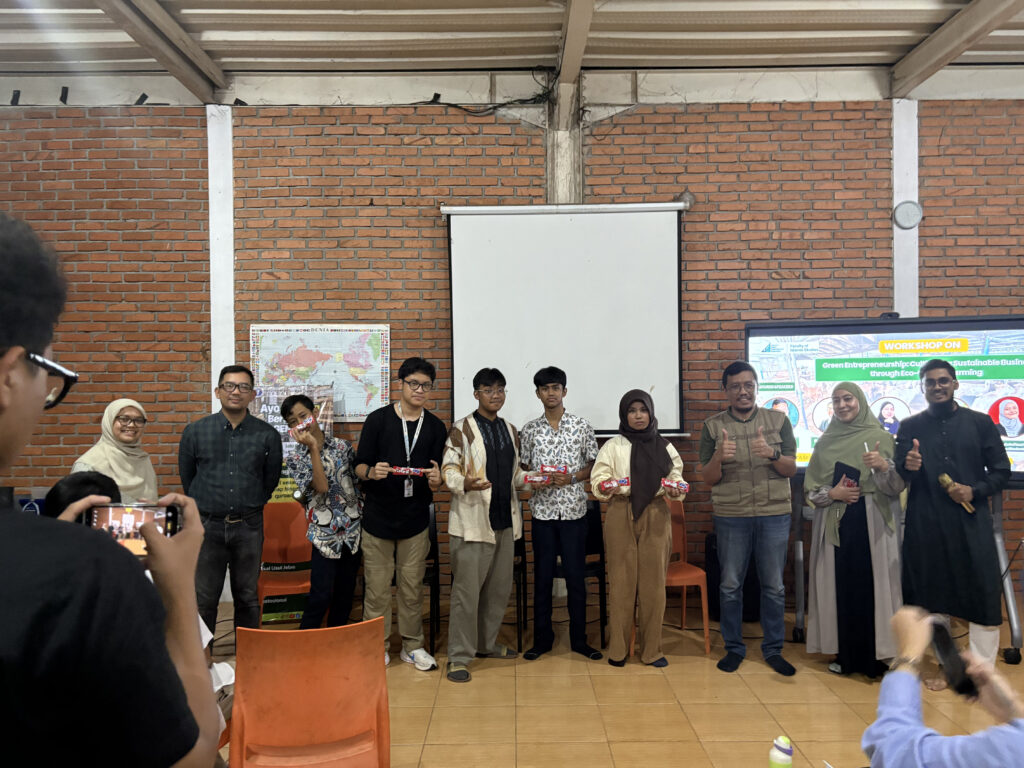
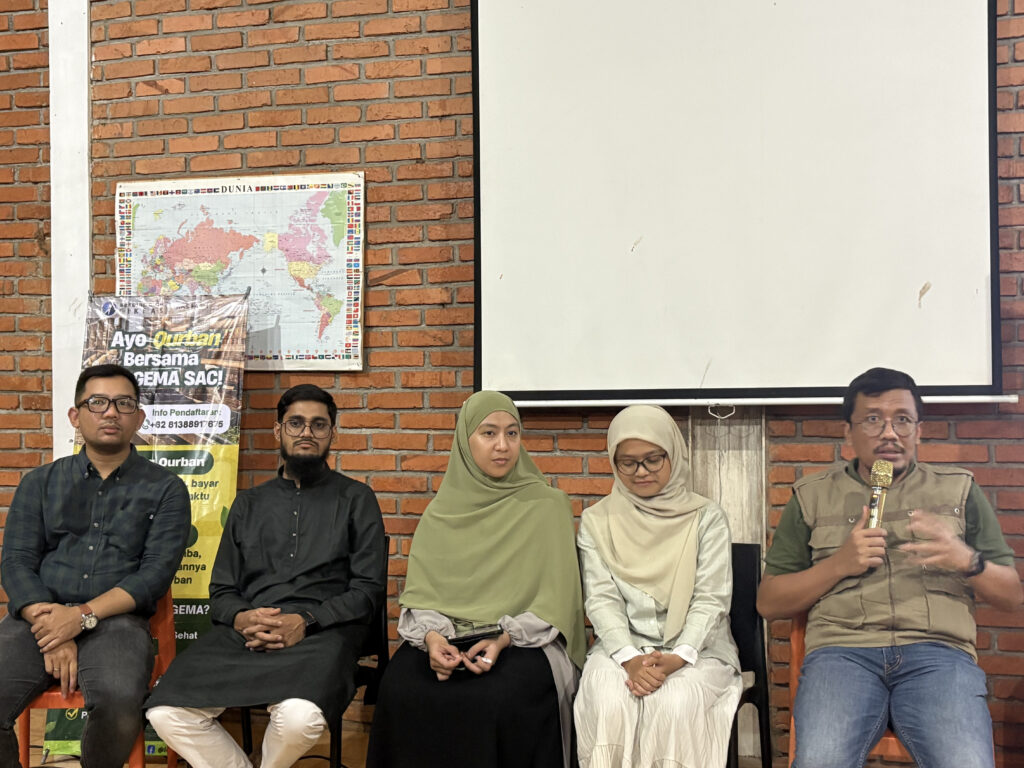
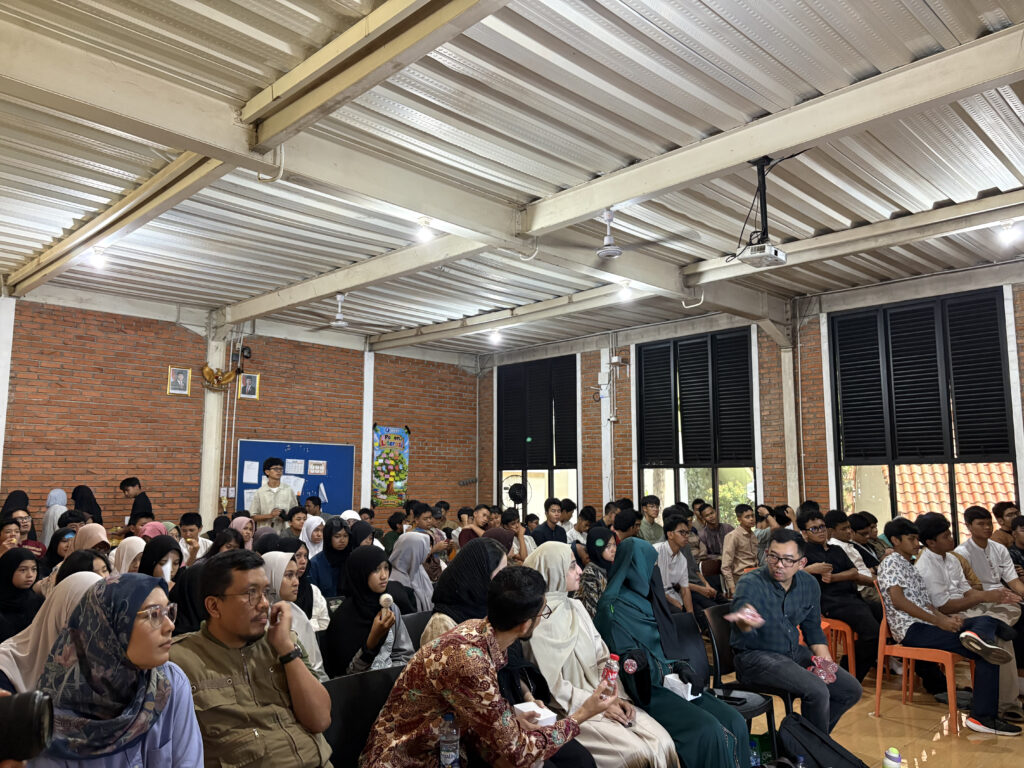
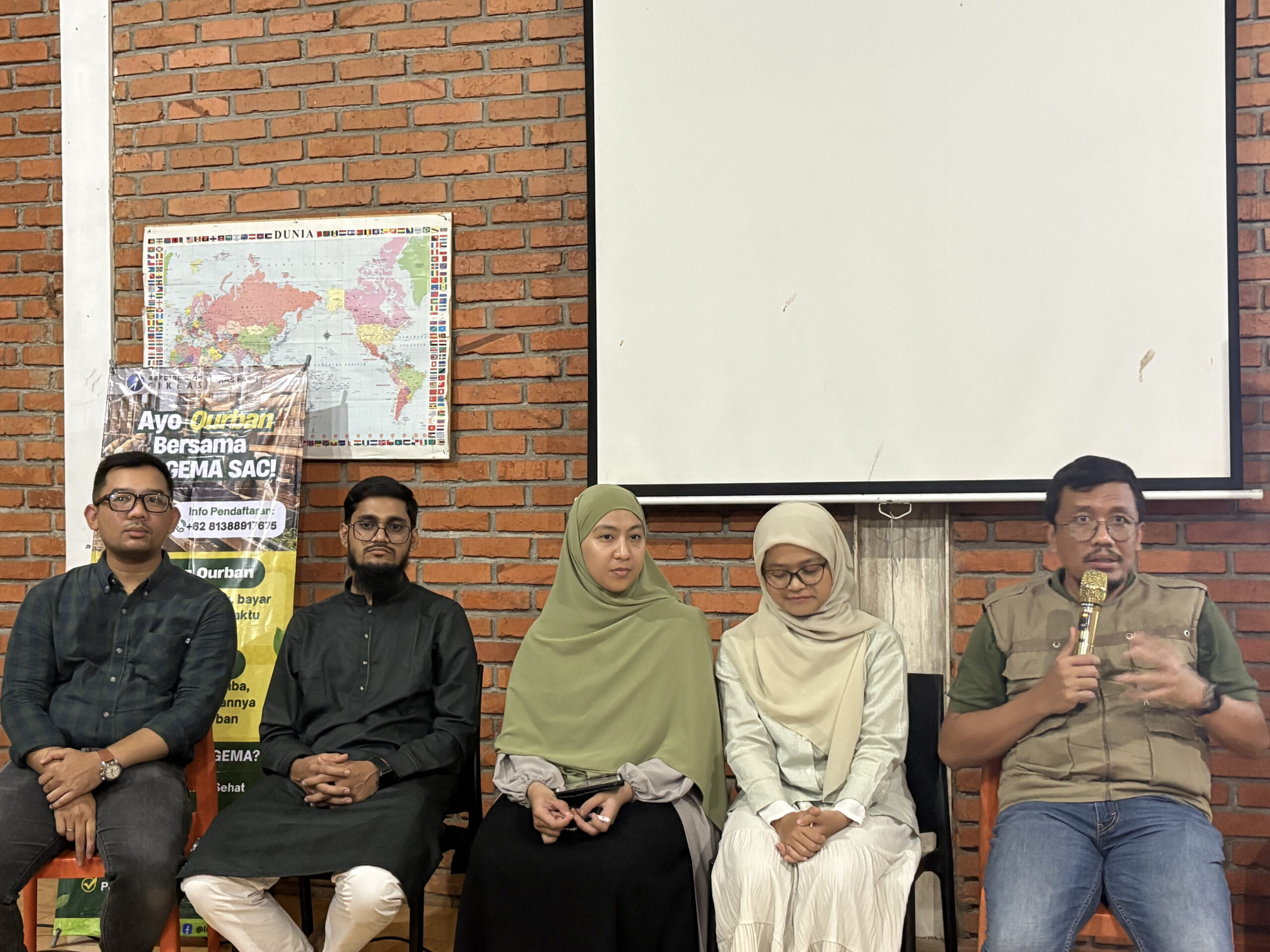
Led by UIII lecturer Bhirawa Anoraga, Ph.D., alongside master’s students Clara Clarissa (MA in Islamic Studies, Indonesia), Md. Sajib Raihan (MA in Islamic Studies, Bangladesh), and Rifa Anis Fauziah (MA in Turath Islam, Indonesia), the event engaged approximately 60 to 70 students from grades 10 and 11. The seminar explored the intersection of Islamic religious practices and modern environmental stewardship, equipping young learners with both research-backed insights and practical agricultural knowledge.
Addressing Environmental Critiques Through Research The UIII-funded community project was sparked by ongoing global discussions—particularly raised by vegan and vegetarian movements—regarding the environmental footprint of livestock farming, specifically methane emissions associated with the annual Eid al-Adha Qurban ritual. Guided by the Islamic principle of rahmatan lil’alamin (a mercy to all creation), the UIII team set out to investigate whether traditional sacrificial practices inherently harm the ecosystem or if they can be aligned with sustainable ecological standards.
Prior to the seminar, the research team conducted field studies across five livestock farms located in Jakarta, Sukabumi, and Purwokerto. During the seminar’s opening session, the UIII team presented their findings to the students, illustrating how sustainable livestock management—such as improved feed quality, waste-to-energy conversion, and ethical animal husbandry—can significantly mitigate methane emissions and transform Qurban into an environmentally responsible practice.
Practical Eco-Friendly Farm Entrepreneurship To bridge academic research with real-world application, the second session featured guest speaker Mr. Ainur Rofiq, an experienced farm owner and practitioner. Speaking on the topic of “Practical Farm Entrepreneurship,” Mr. Ainur shared a step-by-step guide on how to initiate and manage an eco-friendly farming enterprise. His session highlighted sustainable business models, circular agricultural practices, and the economic viability of green farming for the next generation of entrepreneurs.
Engaging the Next Generation of Environmental Stewards Throughout both sessions, the secondary students of Sekolah Alam Cikeas under the guidance of the principal, Mr. Harfizal, S.H.I, M.E, demonstrated high levels of enthusiasm, actively participating in discussions and posing critical questions about climate change, animal welfare, and sustainable entrepreneurship. By connecting religious values with actionable ecological solutions, the seminar successfully inspired students to view environmental conservation not as a barrier to tradition, but as an integral part of their social and spiritual responsibility.